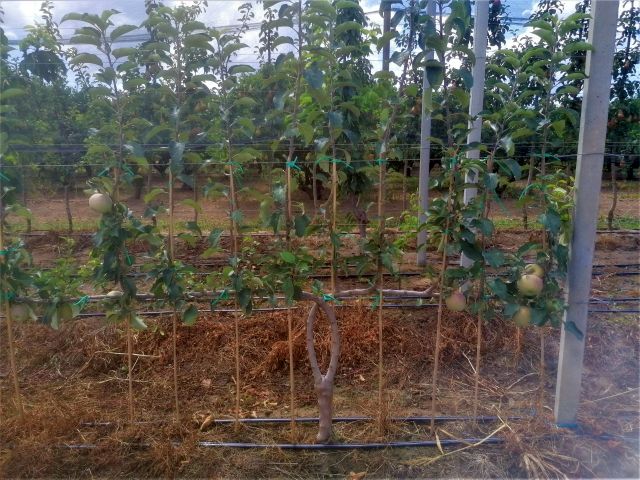
Soil Revitalization with Microbiological Preparations in Organic Apple Production is an innovative Operational Group project implemented in Croatia and funded under the CAP Strategic Plans 2023–2027. The project is carried out from 2025 to 2028 and focuses on improving soil health, productivity, and sustainability in organic apple orchards through the application of microbiological preparations.
The initiative addresses one of the key challenges in organic fruit production: maintaining long-term soil fertility while ensuring stable yields and high fruit quality under increasing environmental and market pressures.
Project Objectives
The main objective of the project is to enhance yield and quality in organic apple production by revitalizing soil using selected microbiological preparations. By stimulating soil biological activity and improving nutrient availability, the project aims to strengthen plant vitality and ecosystem services.
Specific objectives include:
Improving soil fertility and microbiological activity
Enhancing plant nutrition and resilience
Increasing fruit yield and quality
Strengthening the competitiveness and economic sustainability of organic apple producers
Supporting the adoption of innovative and environmentally sustainable practices
Methodology and Activities
The project is implemented through a structured, multi-phase approach that combines scientific research with practical field application:
Project preparation and coordination, including administrative management and partner collaboration
Literature review and methodological design, focusing on soil microbiology and organic orchard management
Selection and application of microbiological preparations suitable for organic apple production
Establishment of field trials in organic apple orchards
Comprehensive soil and plant analyses, including physical, chemical, and microbiological soil properties, plant organ assessment, and yield quality evaluation
Data analysis and synthesis of results into practical recommendations
Development of guidelines for farmers on the effective use of microbiological preparations
Dissemination of results through workshops, expert meetings, and knowledge-transfer activities
Practice Abstract – Expected Results and Impact
According to the project’s Practice Abstract, the application of microbiological preparations is expected to deliver significant agronomic and environmental benefits:
Increased apple yield and fruit quality
Improved soil biological balance and nutrient cycling
Enhanced plant resistance and orchard stability
Strengthened ecosystem services, including soil structure and biodiversity
Higher productivity and income potential for organic producers
Greater attractiveness of organic farming for young farmers
Improved resilience of organic apple production systems under climate and market uncertainties
Project Information
Project status: Ongoing
Implementation period: 2025–2028
Country: Croatia
Funding source: CAP Strategic Plans 2023–2027 – Operational Groups
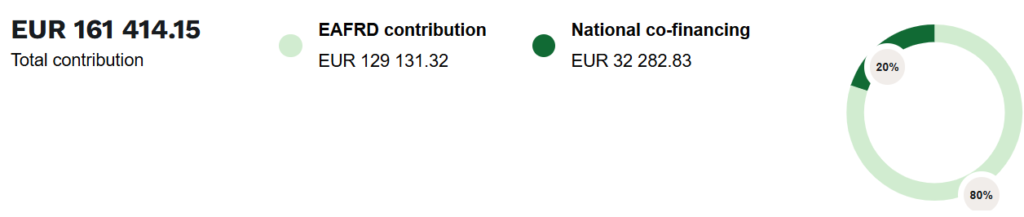
Total budget: EUR 161,414.15
EAFRD contribution: EUR 129,131.32
National co-financing: EUR 32,282.83
Key themes: Soil health, plant nutrition, organic farming, sustainable land management, food quality and security
Relevance and Broader Context
Healthy soil is a cornerstone of sustainable agriculture and a key priority of the European Union’s Common Agricultural Policy and Green Deal objectives. By focusing on microbiological soil revitalization, this project contributes to long-term environmental sustainability, climate resilience, and the development of innovative practices applicable beyond organic apple production.
The results and recommendations generated by this project are relevant not only for organic apple growers, but also for researchers, advisors, and policymakers involved in sustainable agricultural systems and the transition towards more resilient food production models.
The main goal of the project is to connect counselors all over the world of Europe on integrated fertilization management, reducing nutrient losses substances into the environment with maintenance soil fertility.
Digital Agriculture Takes Center Stage at Sustainable Food Systems Conference in Macedonia – Velika Gorica LAB was a part
In a bid to explore the transformative power of digital technologies in agriculture, Partners of the Velika Gorica LAB recently convened at the two-day “Digital Agriculture in Sustainable Food Systems” conference in Macedonia. Organized by AgFuturaTechnologies, the event brought together a diverse array of companies and facilitated rich technical sessions, presenting a comprehensive overview of the digitalization landscape in agriculture.
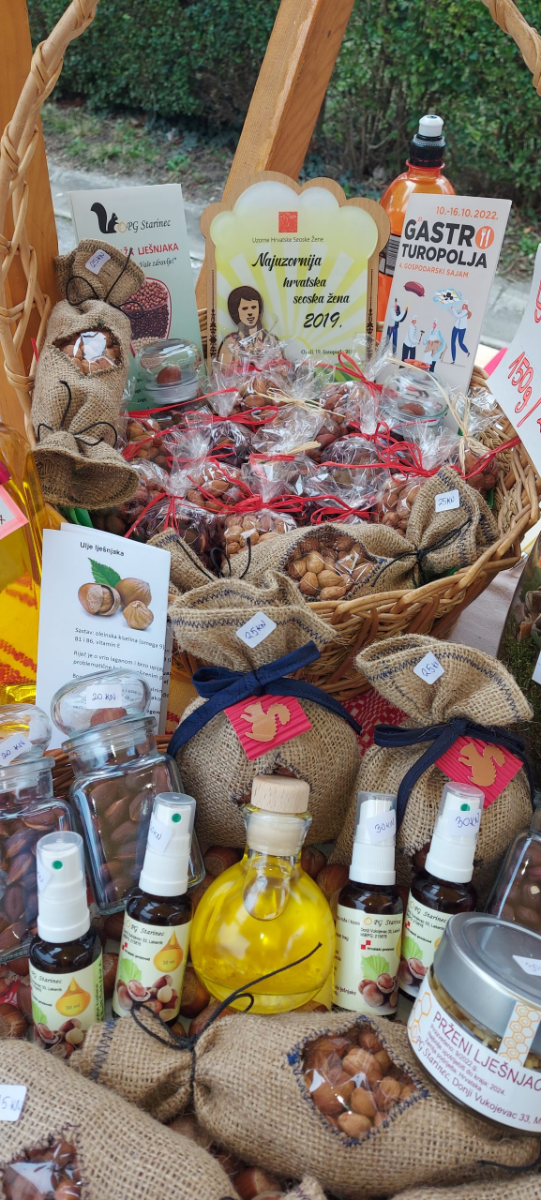
VELIKA GORICA LAB AT THE 22ND GASTRO TUROPOLJA EVENT – LET’S TRANSFORM THE FOOD SYSTEM TOGETHER
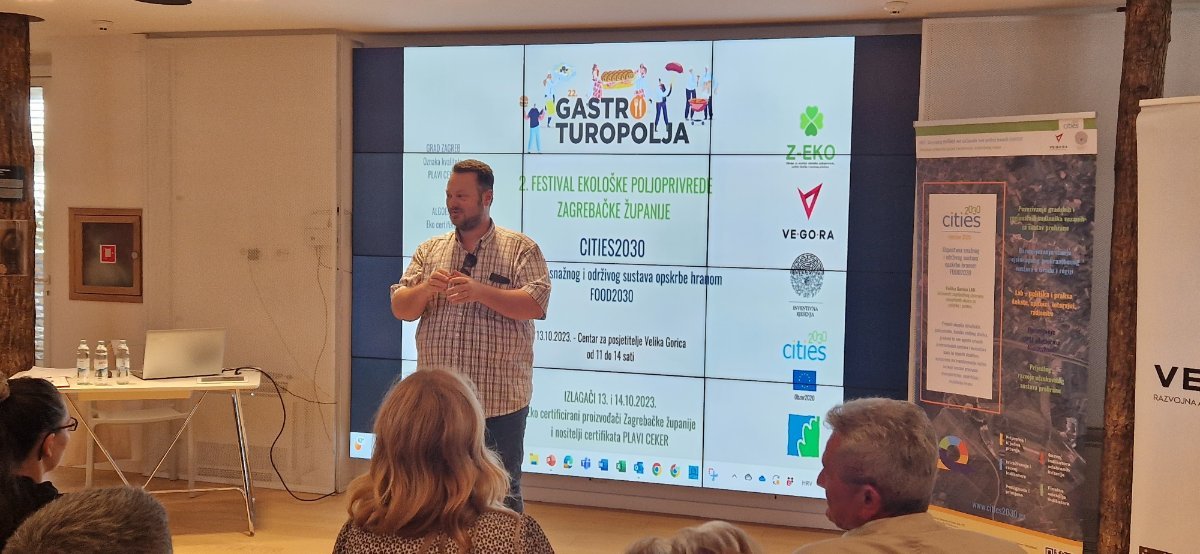
At this year’s 22nd GASTRU TUROPOLJA manifestation, the Cities2030 project organized a three-day event. On the 12th of October, we held a Round table with the theme “Plan for the prevention and reduction of food waste in the Republic of Croatia for the period from 2023 to 2028”, which was presented to us by Melita Došen, B.Sc.Biotech., Univ. .spec.oecoing, Head of the Department for Food Waste Prevention and Ph.D. Sanja Kolarić Kravar, Head of the Department for Food Quality in the Directorate for Animal Husbandry and Food Quality from the Ministry of Agriculture.
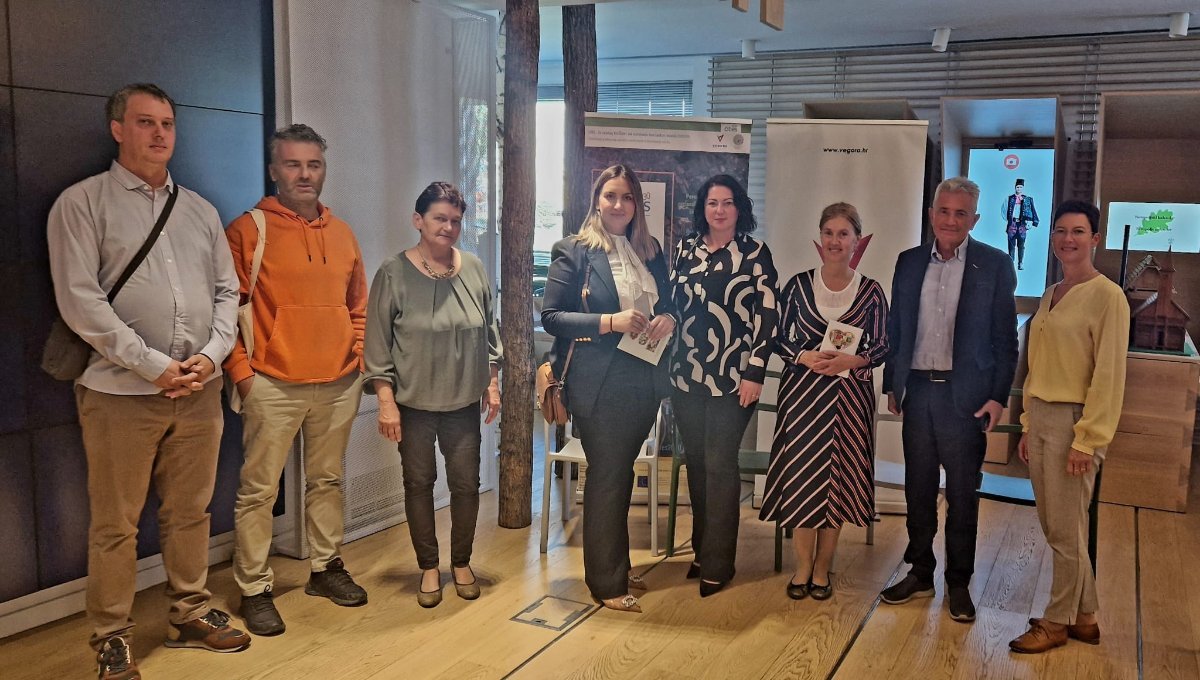
As part of the activities of the Velika Gorica project, LAB participated as the organizer of the opening of the 2nd Zagreb County Ecological Agriculture Festival on the 13th of October, where various interesting lectures were held.
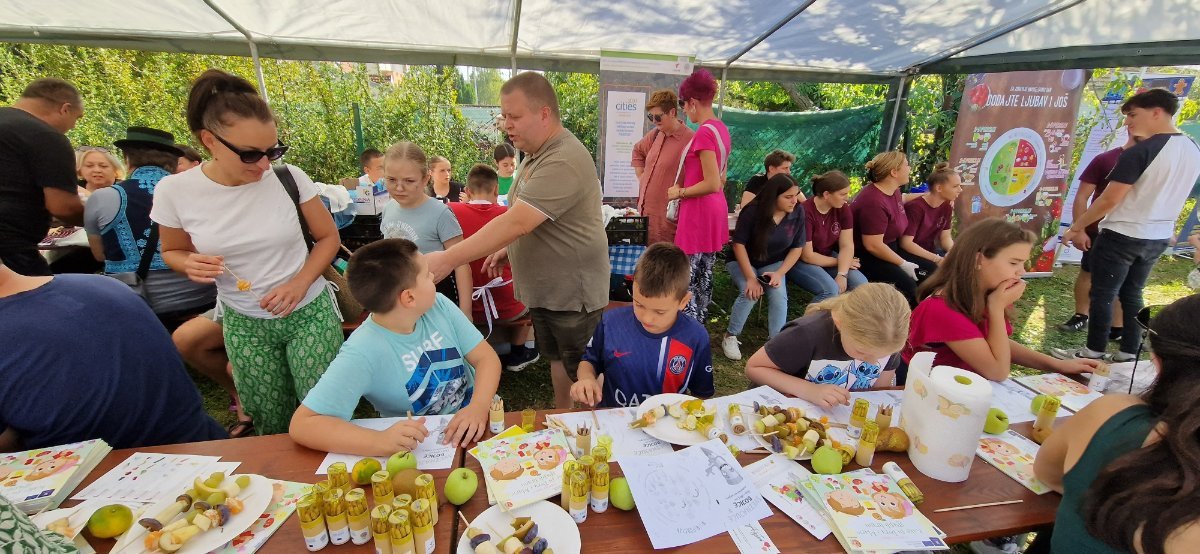
We did not neglect even our youngest members of the food system, and in cooperation with NESTLE nutritionist Koraljka Novina Brkić, we prepared workshops, on the 14th of October, according to their program, and in cooperation with the students of the Secondary Vocational School and prof. Trumbetas:
– get to know the plate of proper nutrition NutriPortija – drawing the plate of proper nutrition
– more at the link Nutriporcija – Plate of proper nutrition | Nestlé (nestle.hr)
– we made fruit skewers for the kids and parents
Project PETICA – play to health is a public health education program for elementary school students, their parents and the general public about the importance of proper nutrition and regular physical activity with the aim of preventing obesity.
Empowering citizens through education on our CRFS – Velika Gorica LAB
One of the best ways to empower people is by providing them with knowledge. As part of our Velika Gorica Living Lab activity, we have shared this knowledge with over 300 children. Our goal was to give them a comprehensive understanding of our CRFS, so we decided to narrate the story of an apple to them.
Degrowth conference & Cities2030 project parallel within Velika Gorica LAB
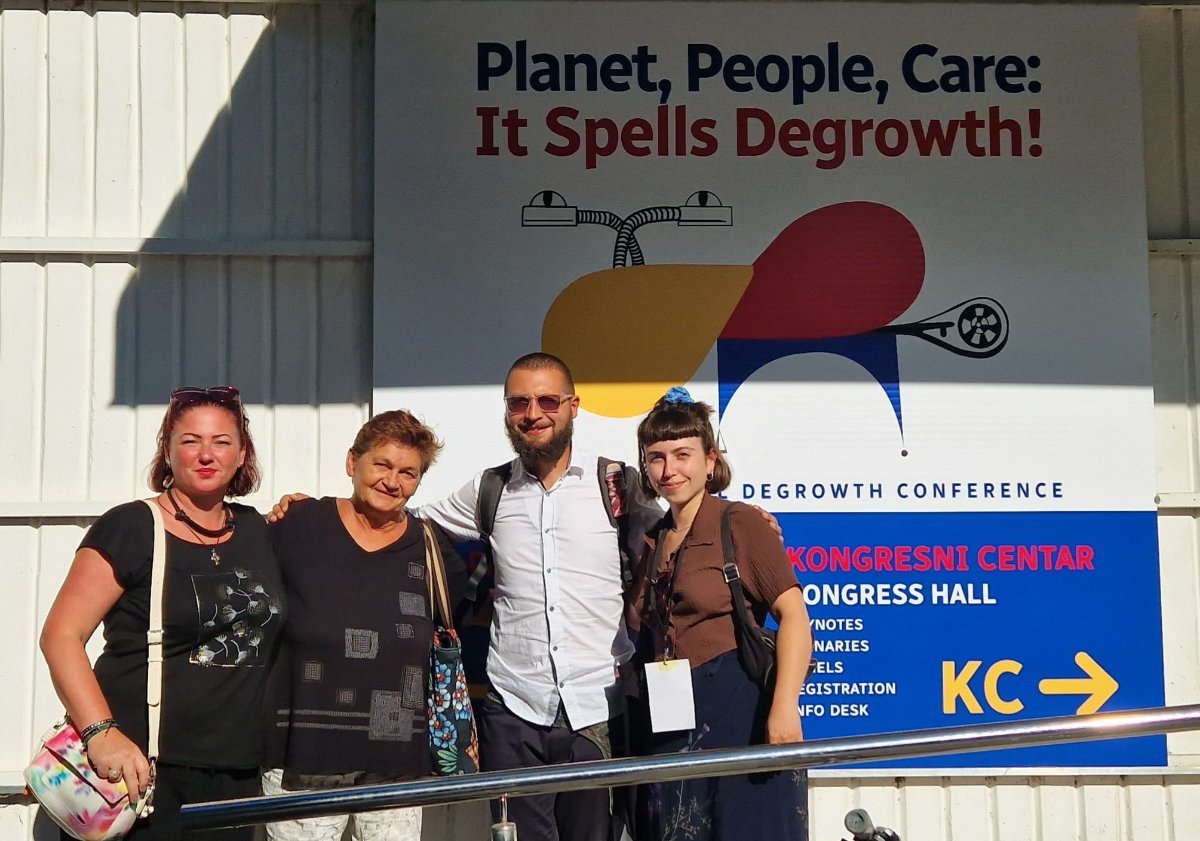
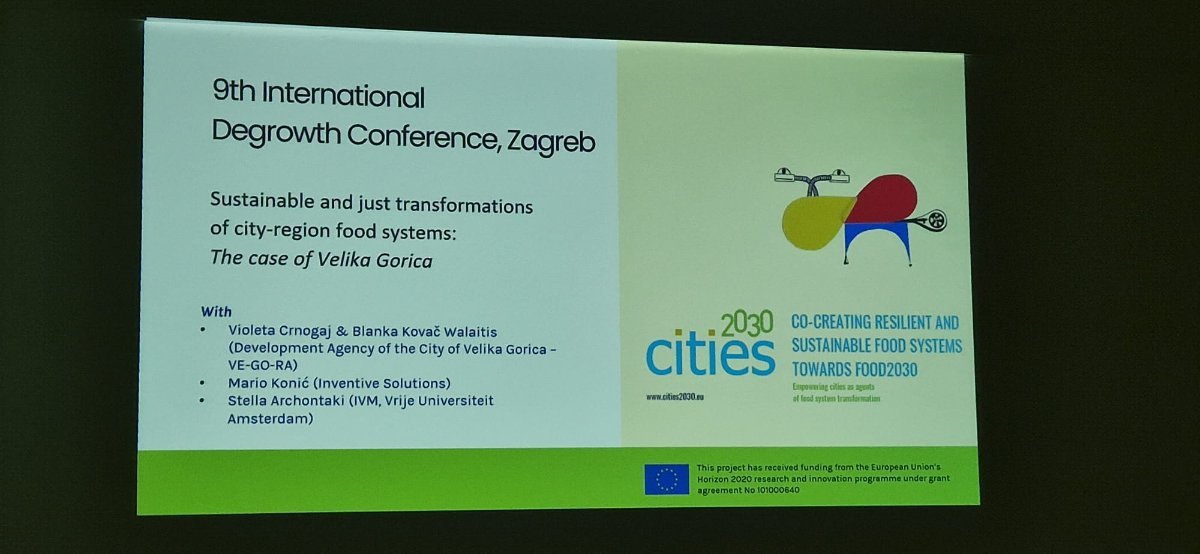
The 9th International Degrowth Conference, held from August 28 to September 2 in Zagreb, provided a platform for all participants to envision a more socio-ecologically sustainable and just future under the degrowth agenda. The conference facilitated diverse discussions that united research institutions, educational establishments, urban practitioners, and local and regional governments from across Europe and beyond.
The delegation from Cities2030 hosted a panel discussion under the METAR’s thematic area, centered on the role of Velika Gorica in such transformative processes, with a particular focus on regional contributions related to the Living Lab.
In concrete, the session commenced by introducing the Living Lab approach, providing the audience with insights into the theoretical frameworks employed in the project and the systems thinking approach. Stella Archontaki further elaborated on the common ground shared between the city-region food system approach (adopted by the Cities2030 project) and degrowth literature, emphasizing their potential contributions to joint socio-ecological goals.
Let’s transform the food system TOGETHER – Become part of the solution – Food is not waste
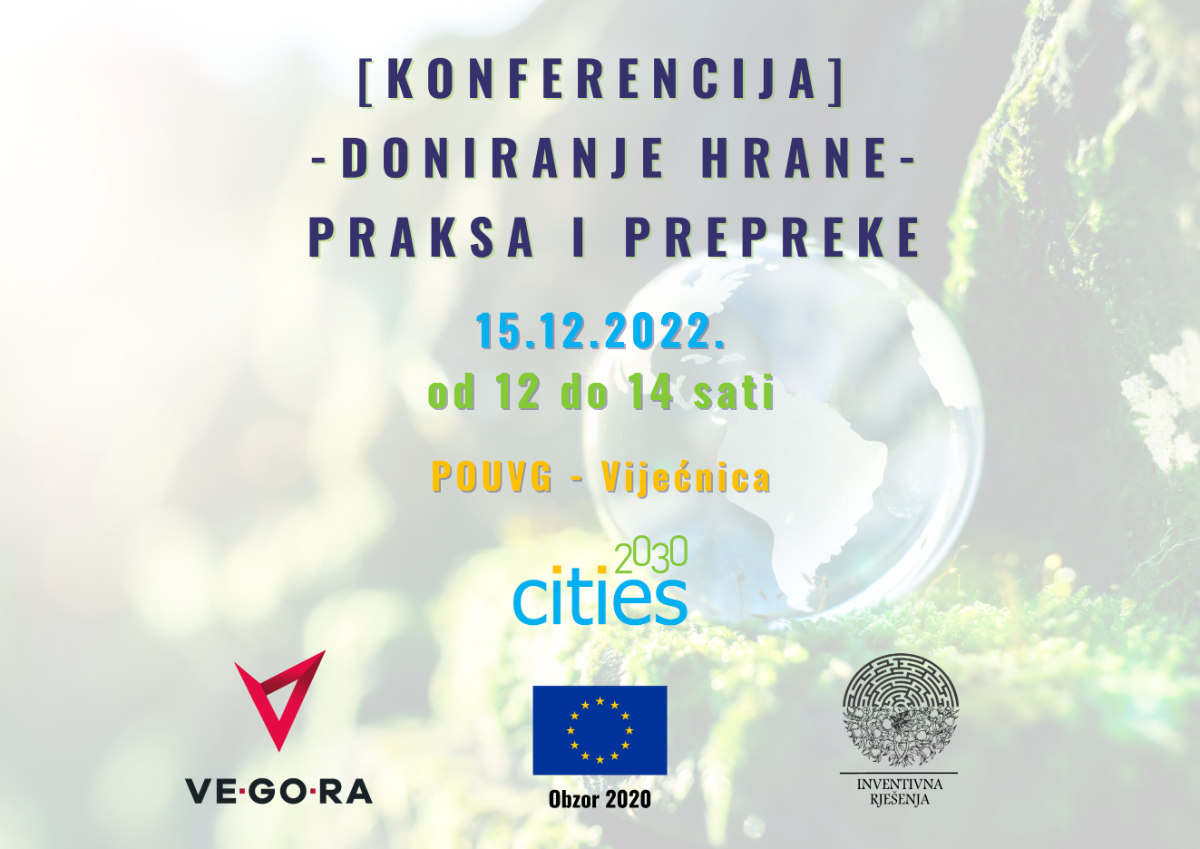
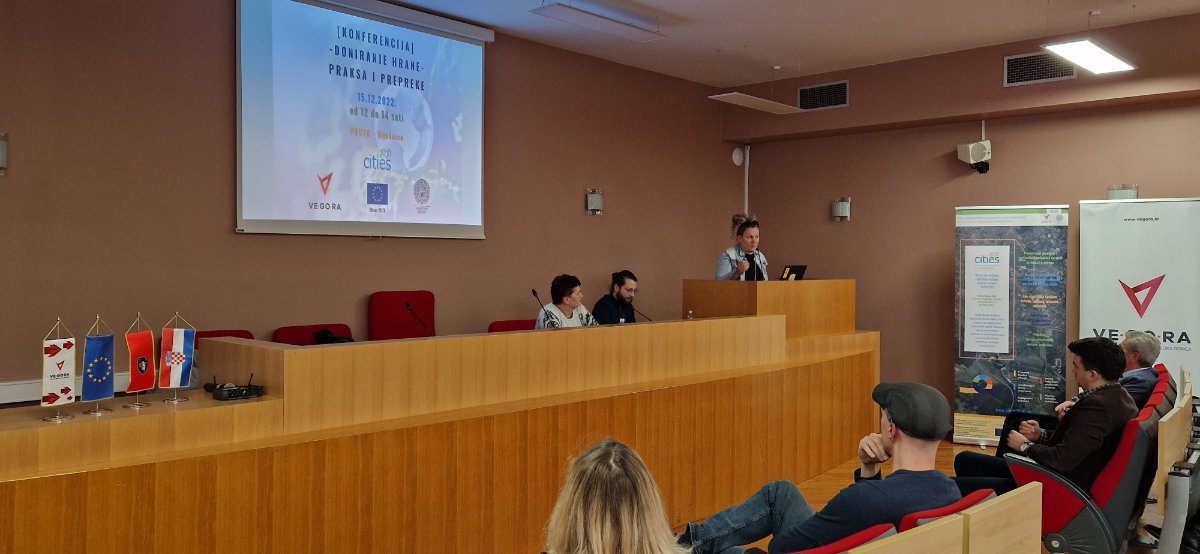
At the conference held on Thursday, December 15, 2022, related to donating food and what it looks like, in practice, active participants in numerous initiatives and programs related to donating food presented their experiences and activities: a representative from the Ministry of Agriculture, representatives of public institutions of the Red Cross Velika Gorica and the Center for Social Care Velika Gorica, the VG Legacy Association and a representative in front of the office of the representative of Croatia in the European Parliament, Ladislav Ilčić, who is also part of the working group in the research project Cities2030, which deals with the possibilities of the entire food system, i.e. its transformation.
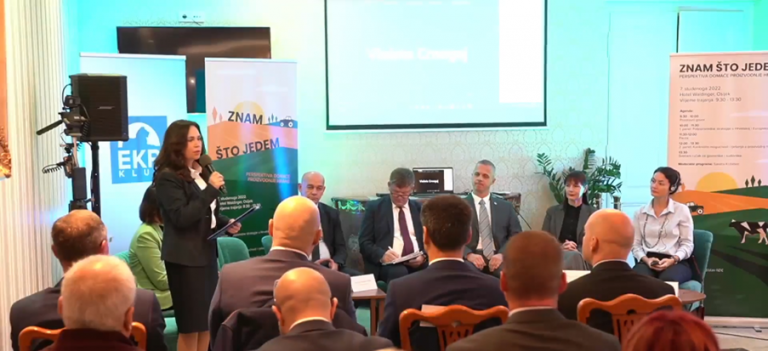
VELIKA GORICA LAB – CONFERENCE “I KNOW WHAT I EAT – THE PERSPECTIVE OF DOMESTIC FOOD PRODUCTION”
The start of November for Croatian partners in the CITIES2030 project was reserved for the conference “I know what I eat – The perspective of domestic food production”. The conference was organized by Croatian member of the European Parliament Ladislav Ilčić through two-panel discussions:
Agricultural strategies in Croatia and the European Union
Specific possibilities and solutions in food production
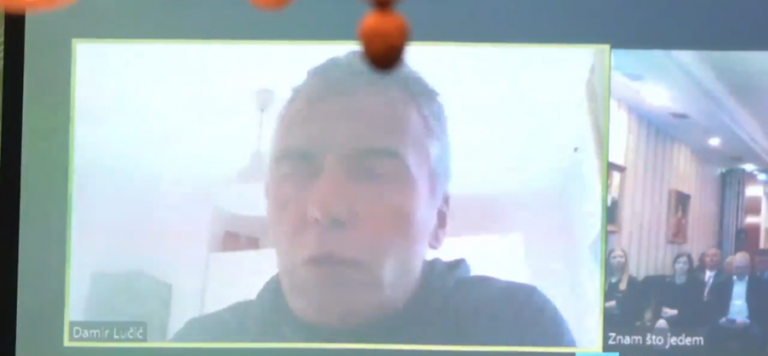
On the second panel, a representative of Velika Gorica LAB Inventive Solutions, Damir Lučić, looked at some of the main problems that our CRFS is facing, which are related to problems in production, examples of good production practices, the school fruit scheme program, ecological production and similar.
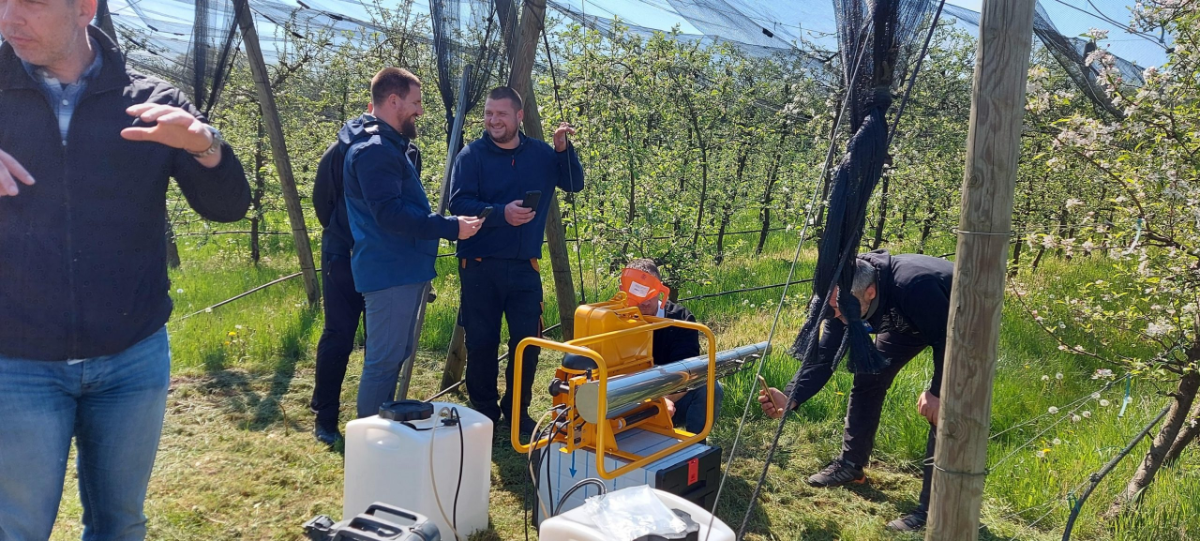
Cities2030 Hands-on workshop for food producers – Velika Gorica LAB
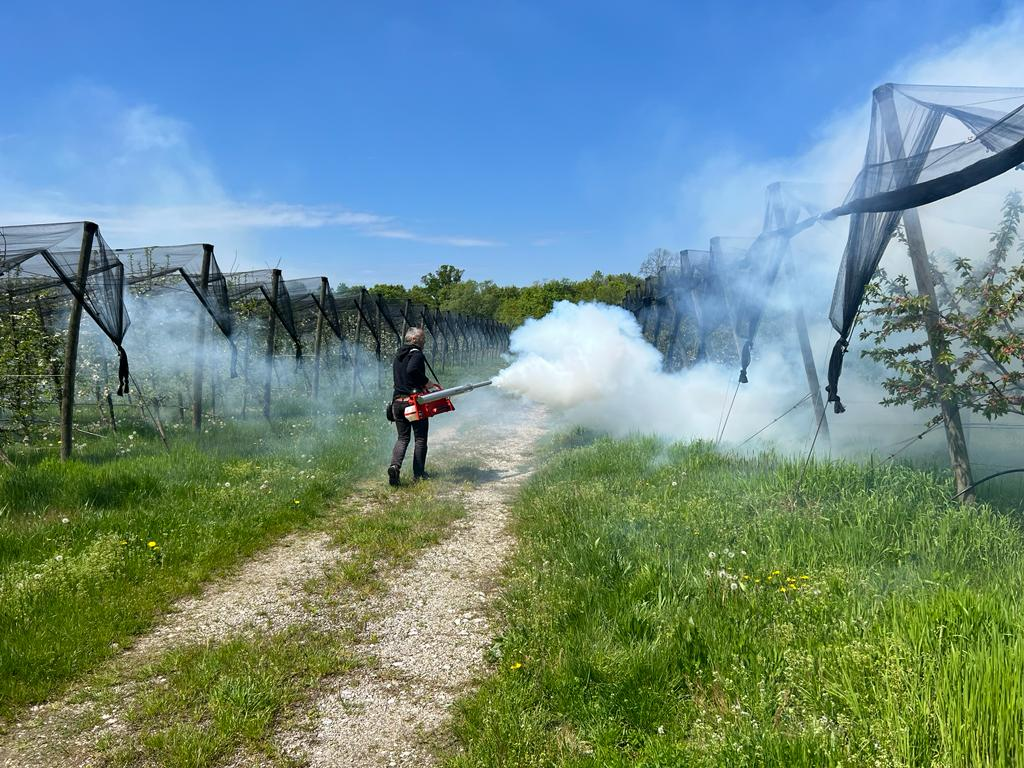
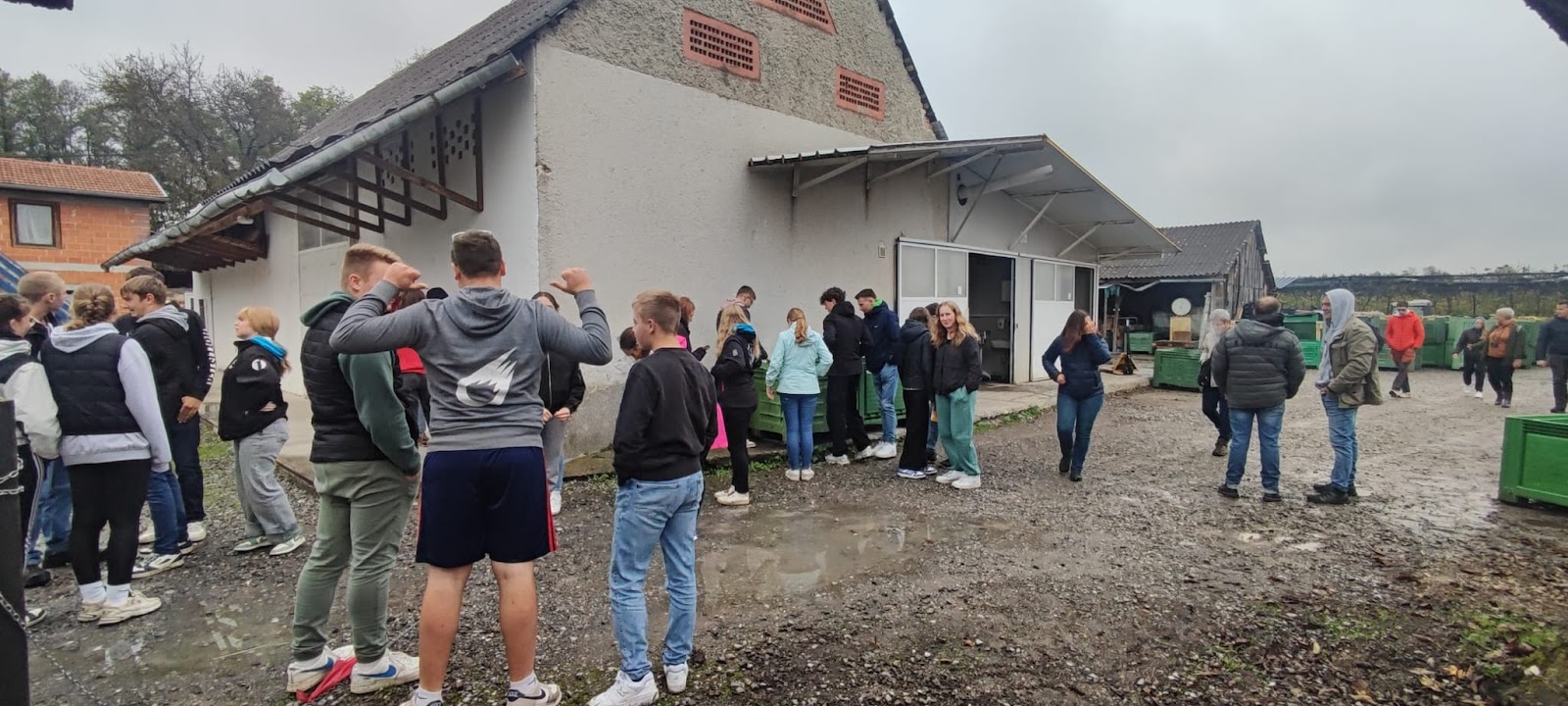
Almost every year now, a major issue for fruit producers from the Zagreb County area has been frost which devastates fruit production (up to 100%). Producers do not have adequate tools and knowledge on how to deal with this recurrent issue. Most producers insure their crops to cover their losses.
We’ve supported fruit producers by organising a practical workshop for their capacity building and presented them with novel technology which has the best effects (for our topography) and can help them mitigate the risk of frosts. During the workshop, they could observe all the details of how this technology works, operate the machines, and ask about everything they found important for their production.
VELIKA GORICA LAB AT THE “21. GASTRO TUROPOLJA” EVENT
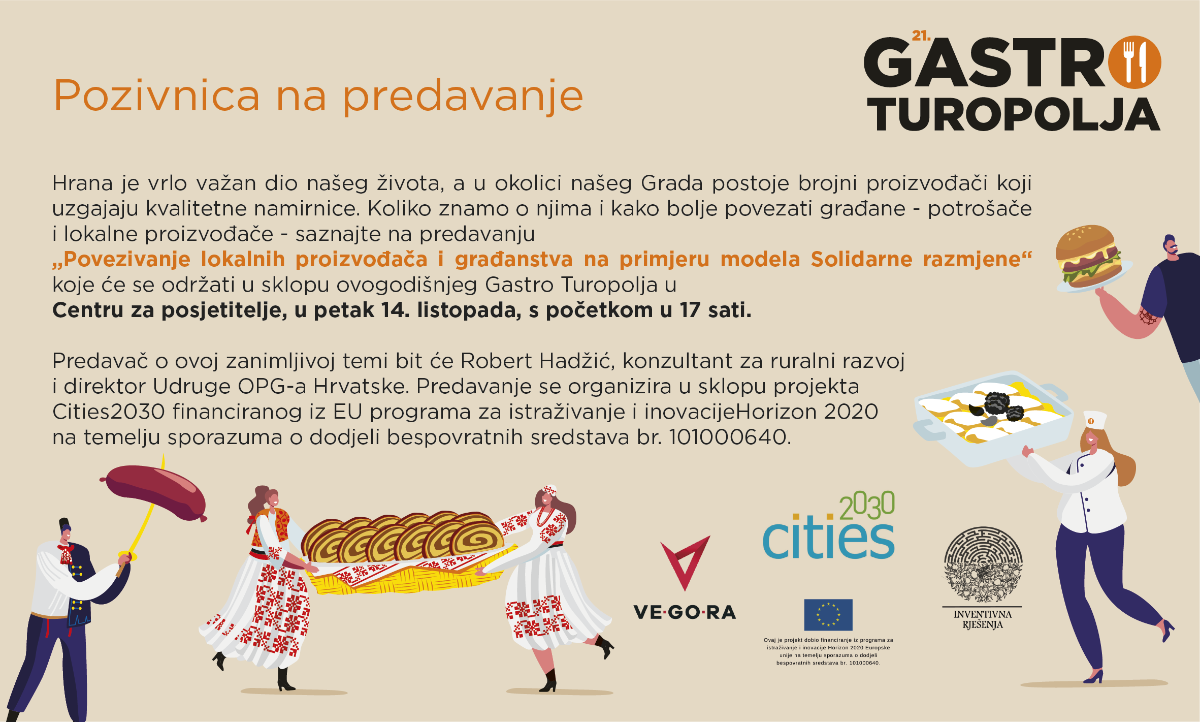
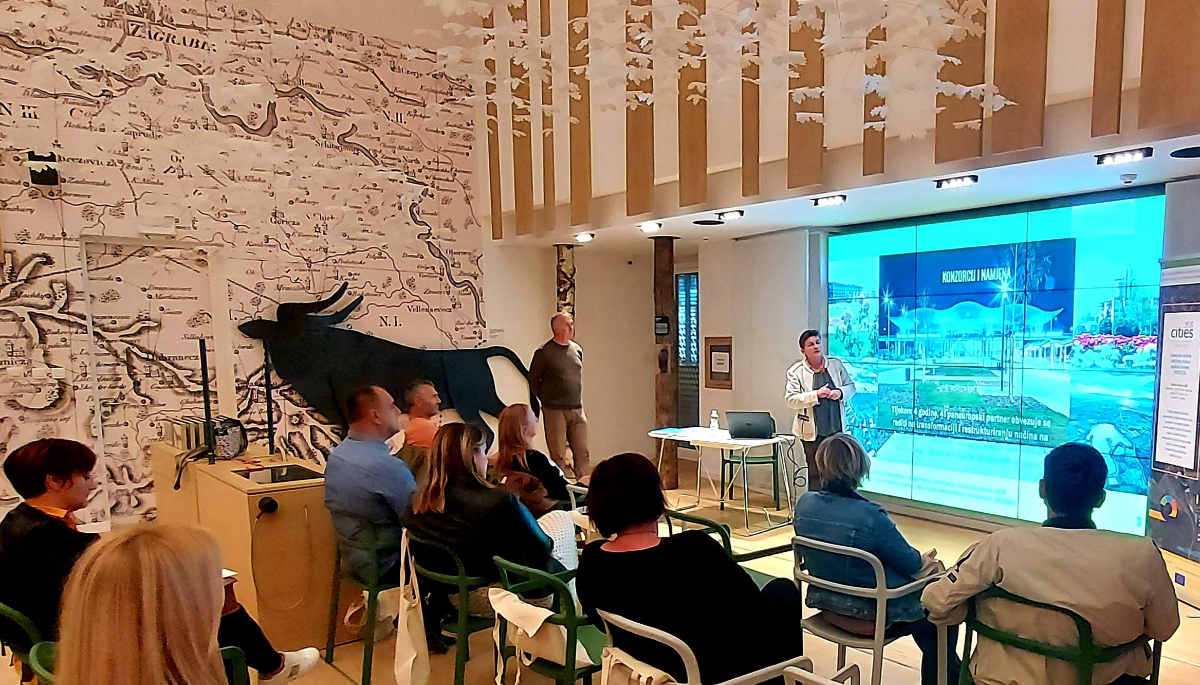
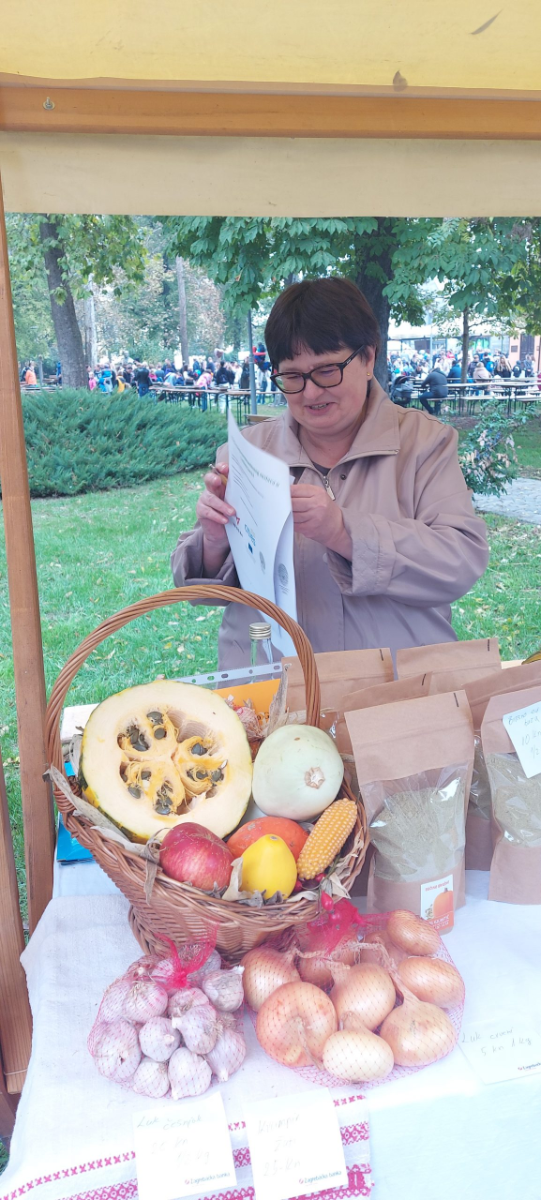
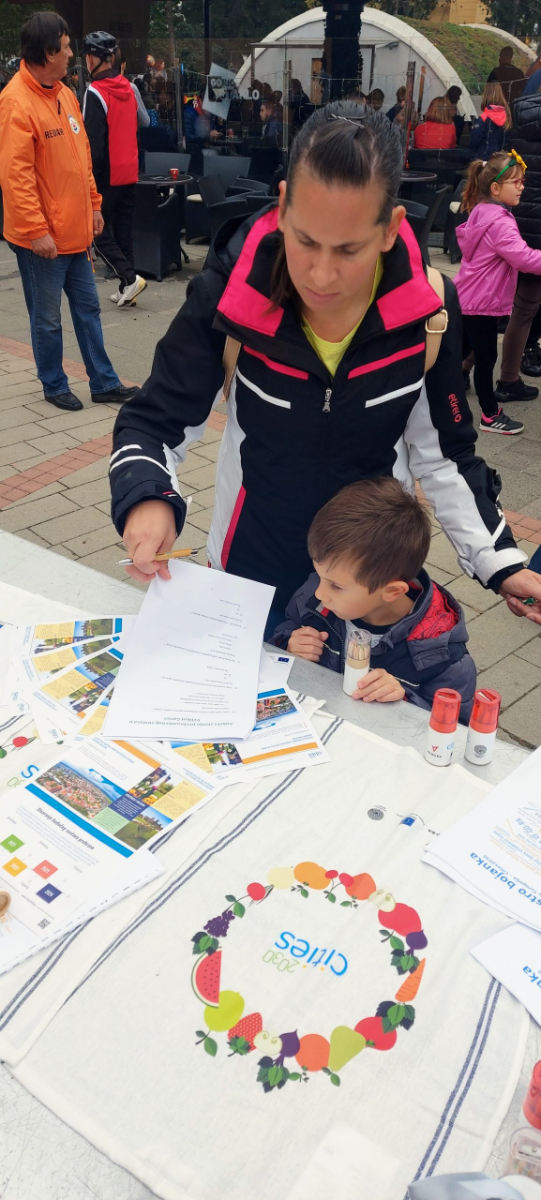
The Development agency VEGORA and Inventive Solutions Ltd participated in GASTRO TUROPOLJA manifestation which is one of the largest food-related event in the region. We thank the VG Tourist Board, which made it possible to hold a lecture related to the connection of local producers and consumers according to the Solidarity Exchange model, as part of “Gastro Turopolje”, which is the first event within LAB that was created with the aim of improving the local food system of Velika Gorica. The lecture was led by Mr Robert Hadžić, otherwise a consultant for rural development and director of the Croatian OPG Association. For the purpose of further activities and improvement of our system LAB created a survey below aimed at producers and consumers.
Project Cities2030 builds the capacity of living lab facilitators
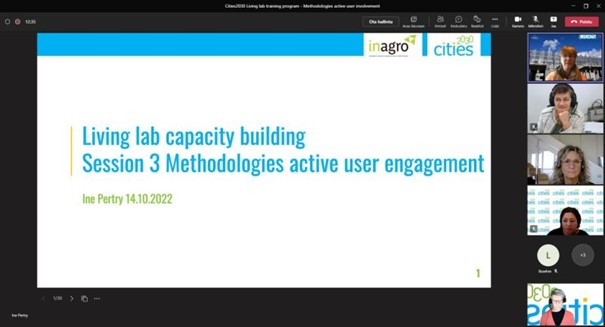
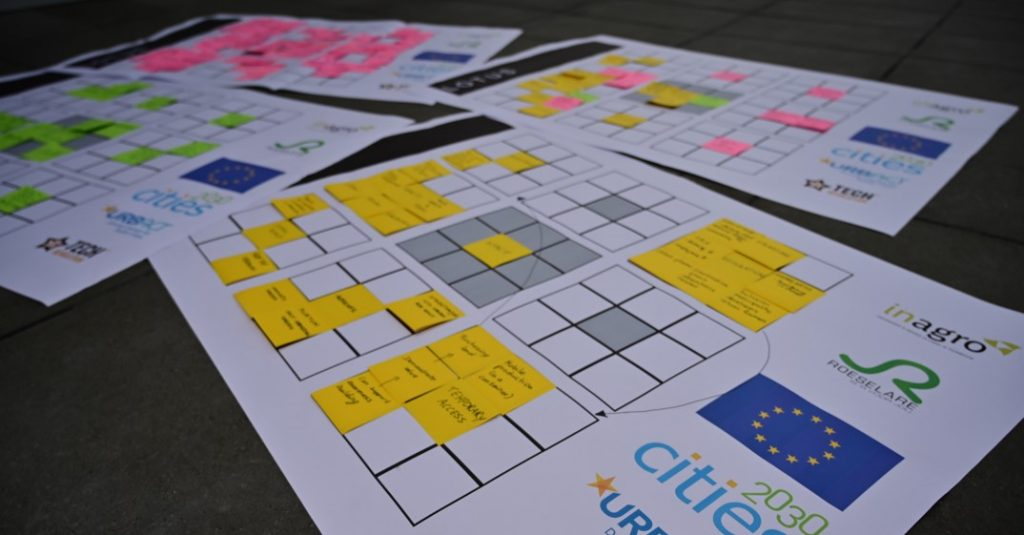
Stakeholder engagement is key when using the living lab approach, but can also be quite challenging. In a series of webinars, Ine Pertry shared the know-how and experience of Inagro vzw on stakeholder engagement methodologies. Tools to support active participation in brainstorming were explored. With this capacity-building approach, Cities2030 empowers its living labs to implement their actions.
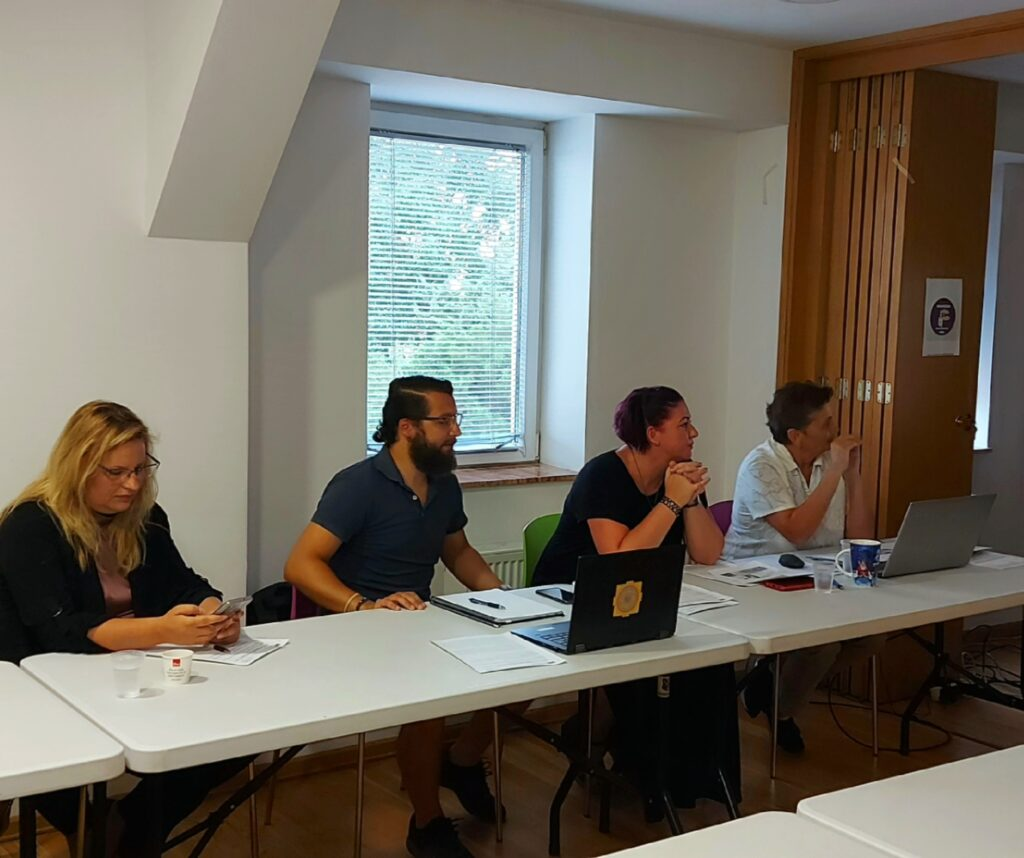
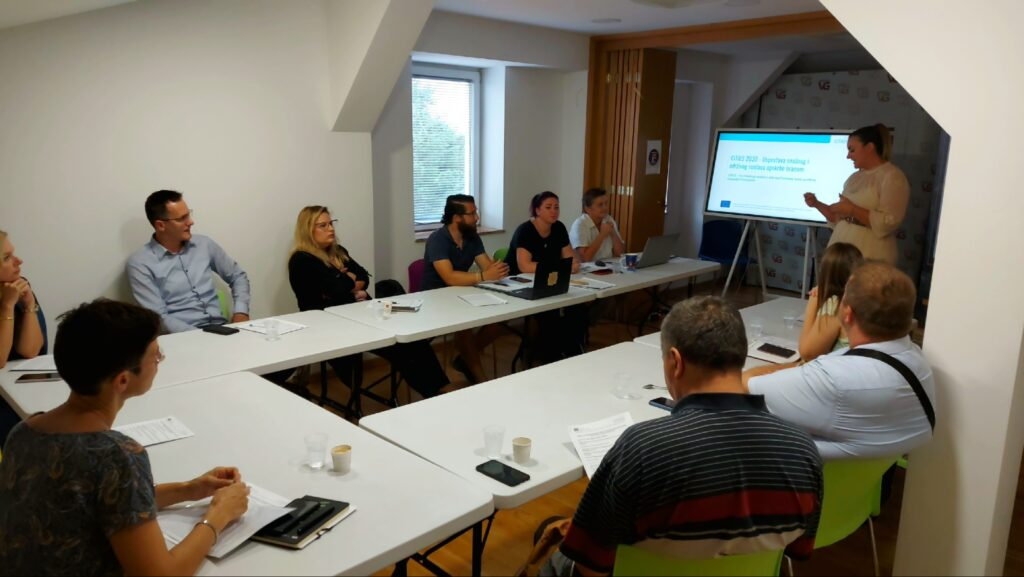
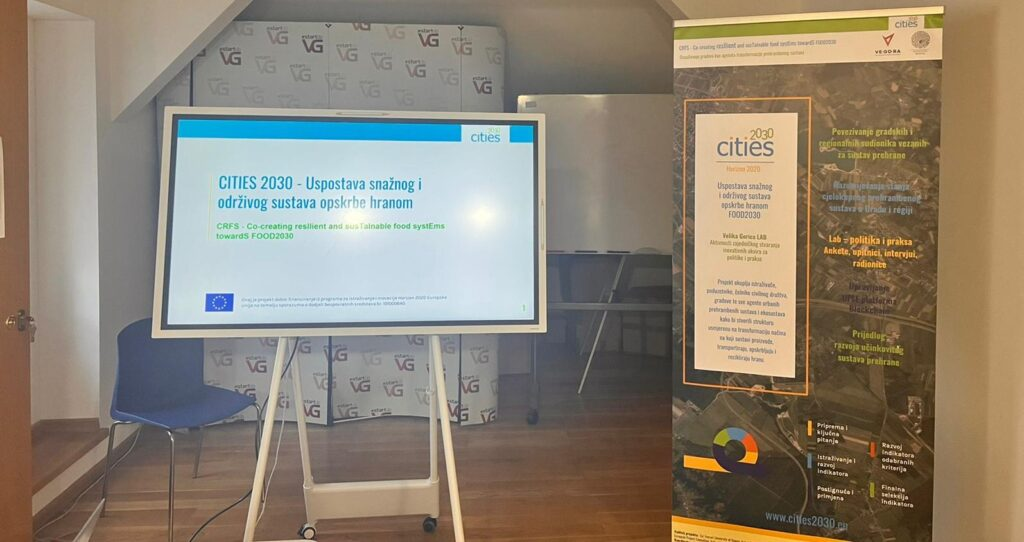
VG LAB MEETING OF THE CITIES 2030 PROJECT IS UNDERWAY
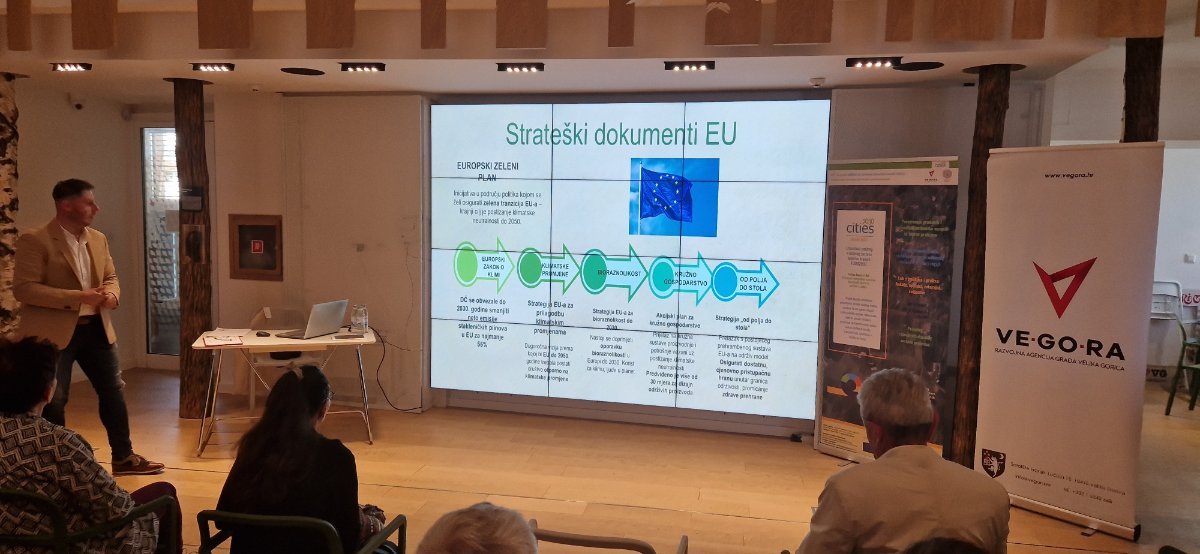
An informative working meeting is underway, the aim of which was to bring together representatives of institutions and organizations from the sector related to the food system and introduce them to the goals and activities of the project, and exchange thoughts on the state and needs related to food production and supply chains in the City and the region Zagreb County.
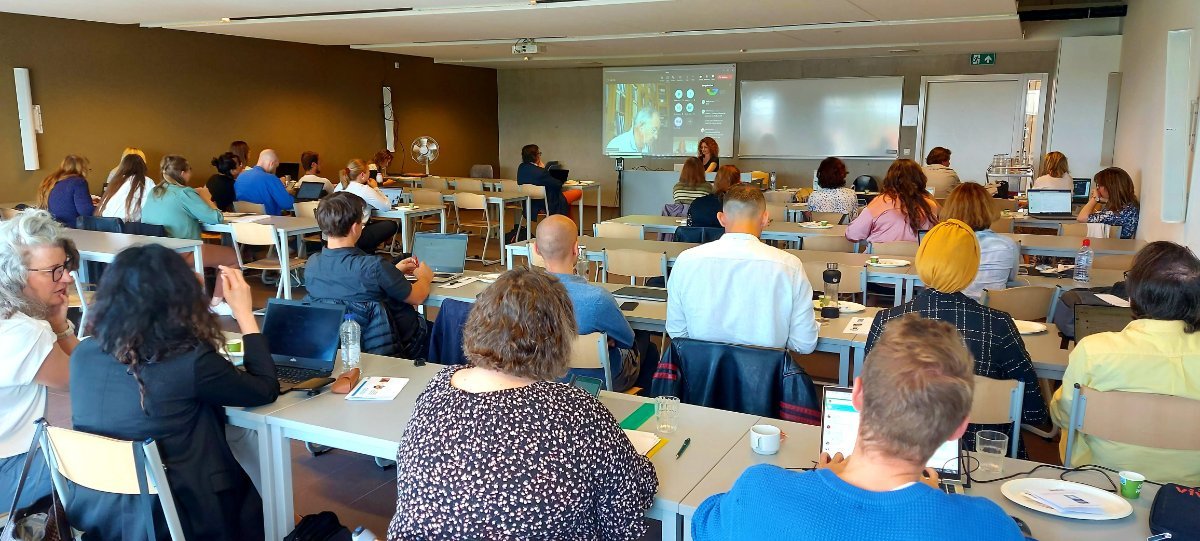
VE-GO-RA AND INVENTIVNA RJEŠENJA LTD AT THE 1ST TRANSNATIONAL MEETING OF THE CITIES2030 PROJECT AND THE AGRI-FOOD EVENT IN BELGIUM
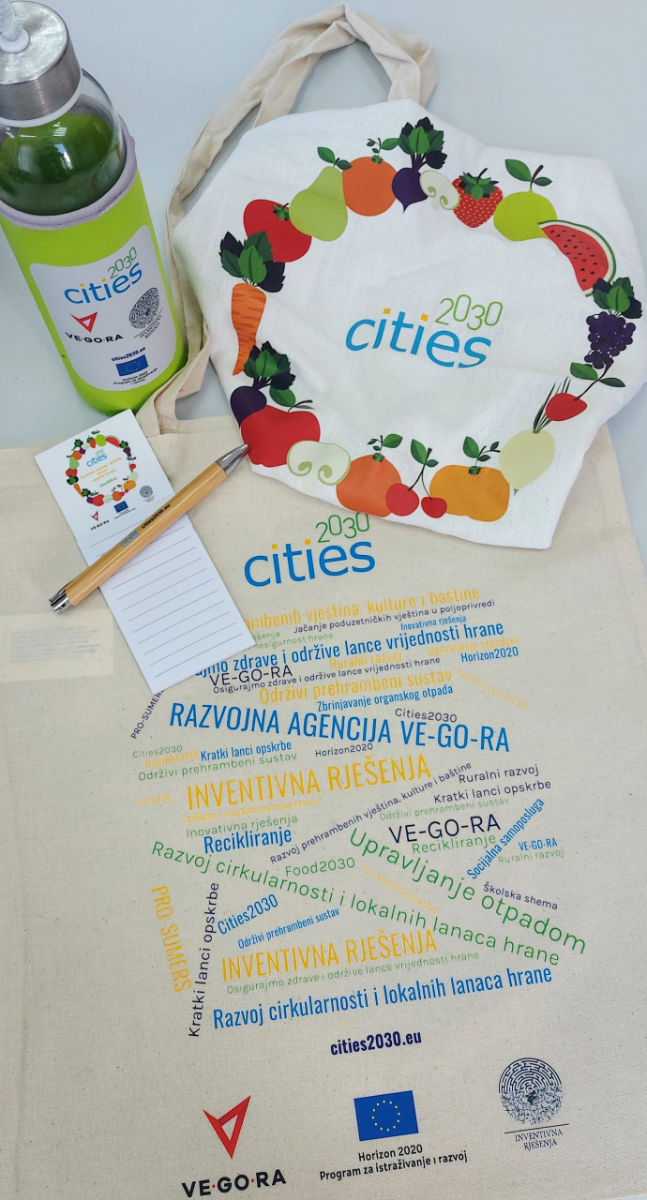
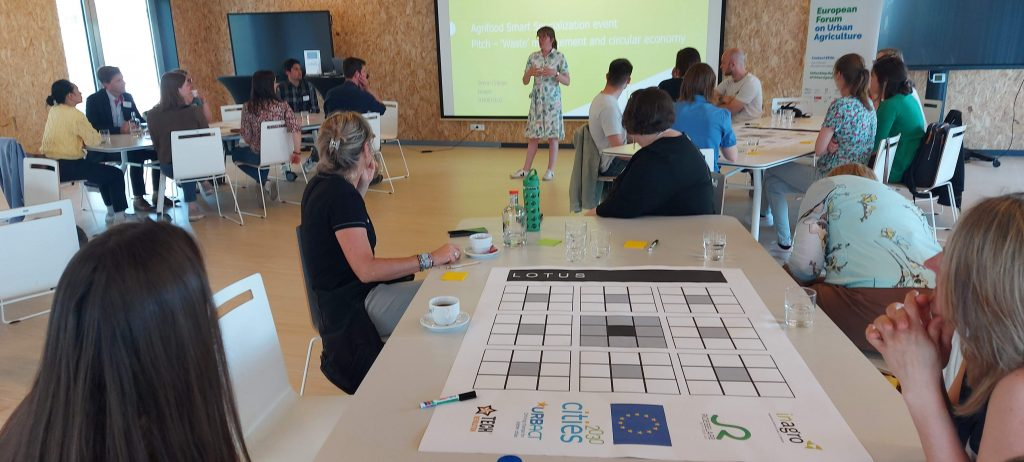
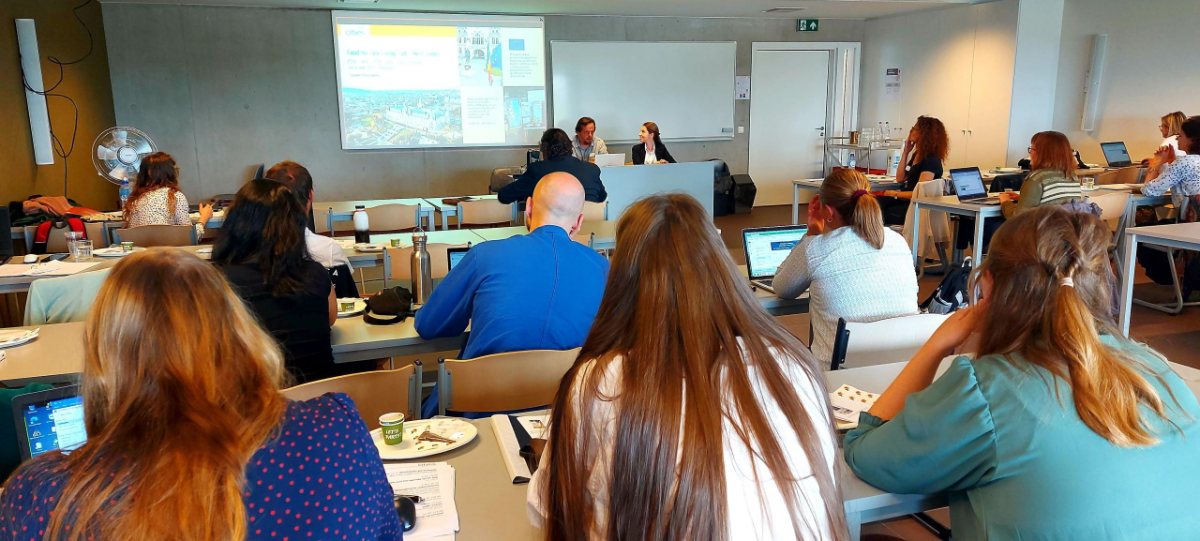
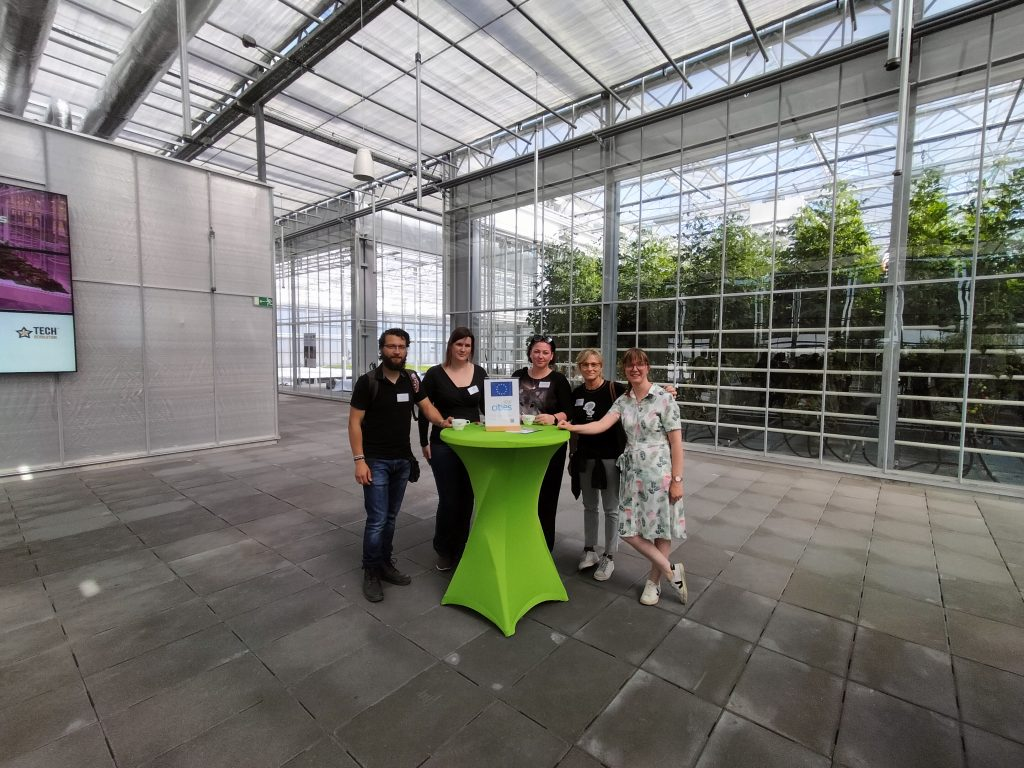
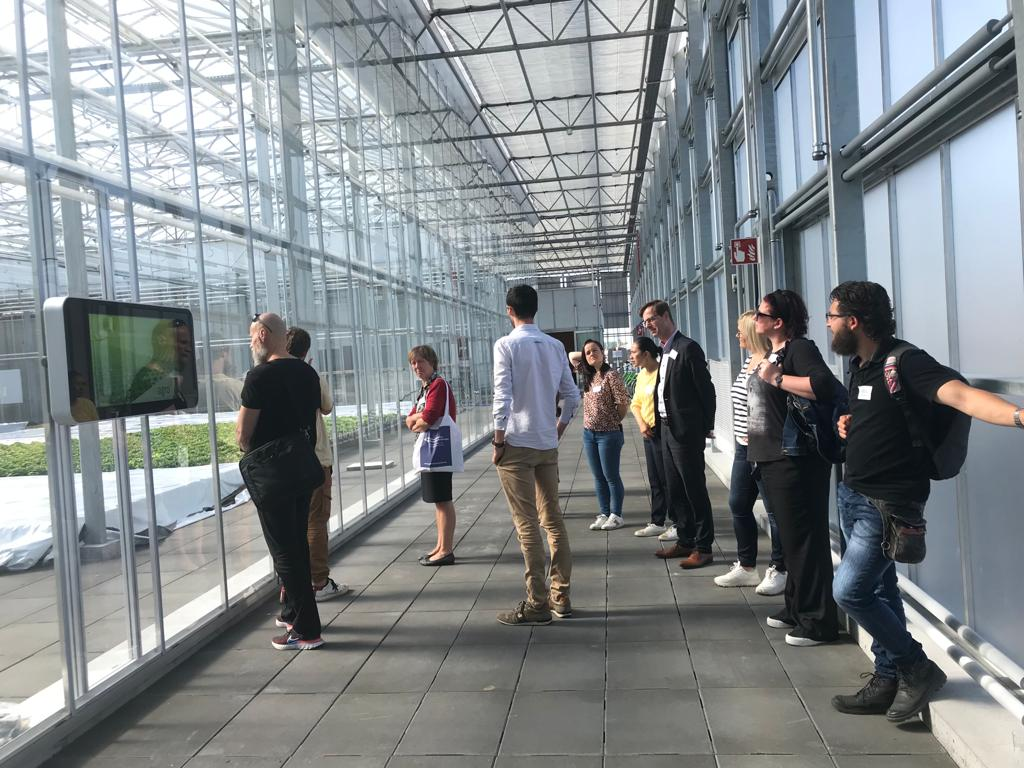
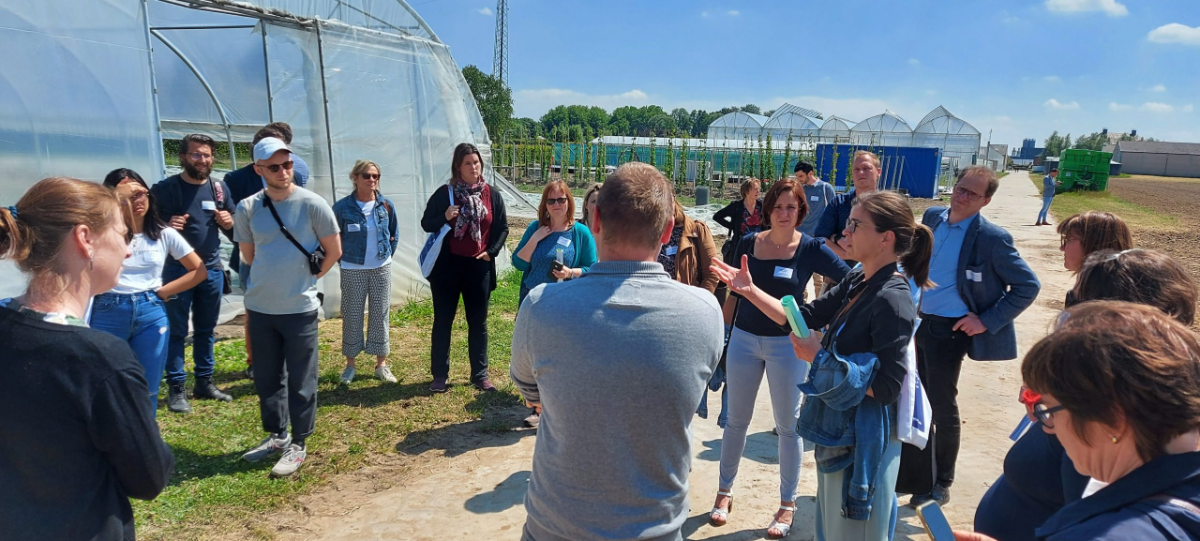
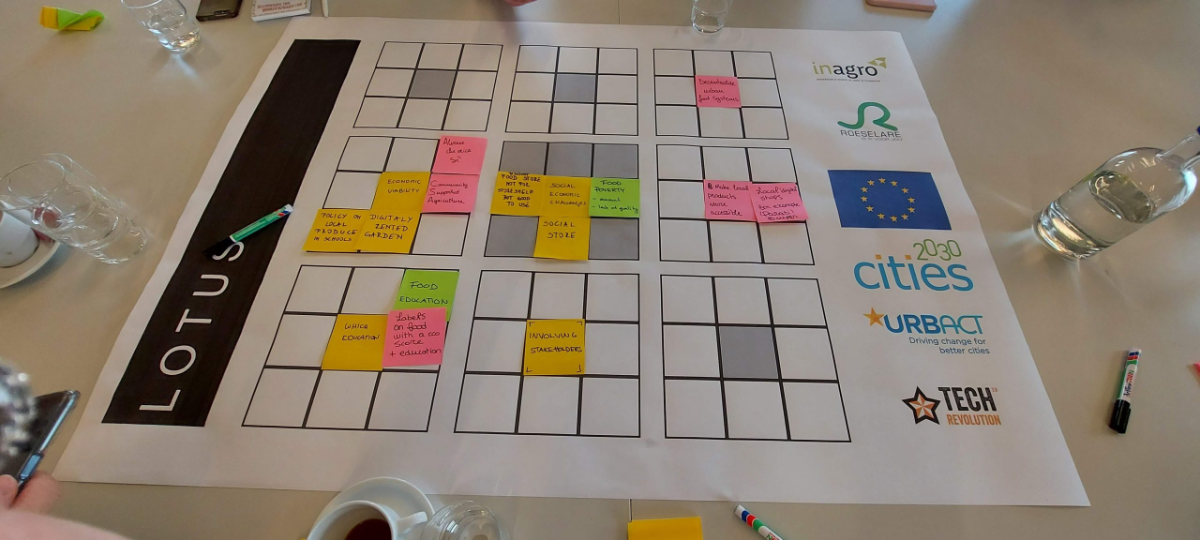
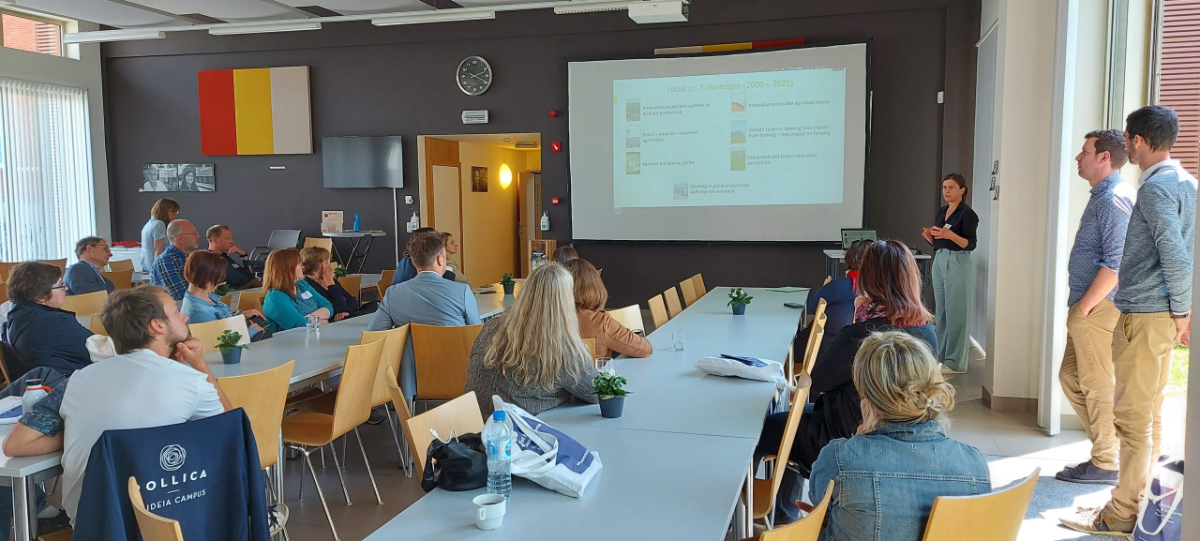
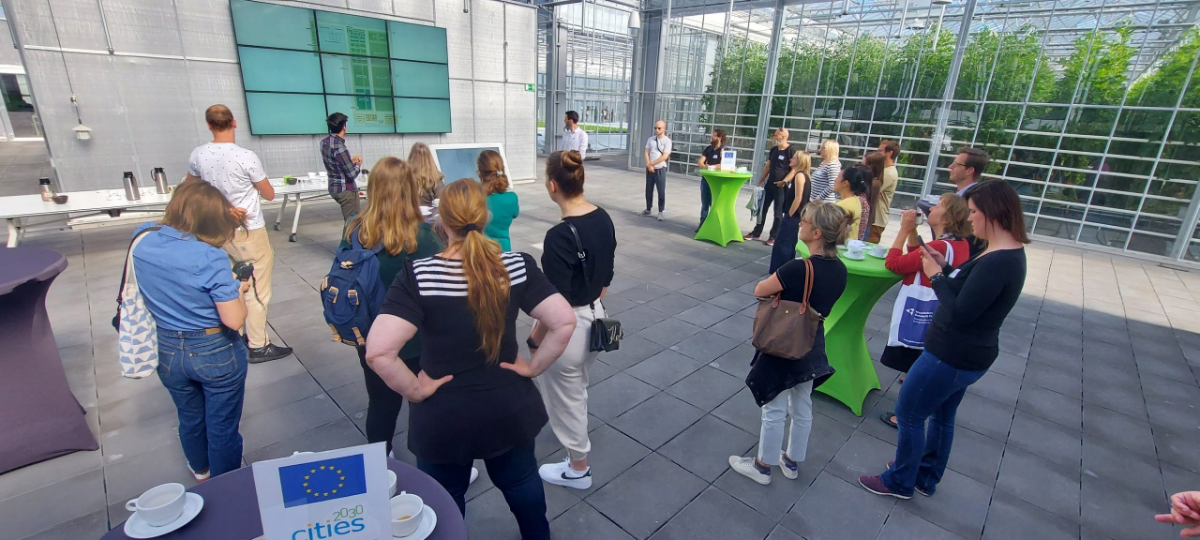
As part of the EU Horizon2020 project Cities2030, the Development Agency VE-GO-RA and INVENTIVNA RJESENJA d.o.o. participated in the first transnational meeting of 41 European partners and the Agri-Food event in Roeselare, Belgium. The partners discussed the future activities and current challenges of the project with regard to the complexity of the project activities and related goals, i.e. creating prerequisites for further development and increasing the efficiency of the production system, short supply chains – distribution chains, delivery and food recycling.
In 20th and 21st century population multiplicated, but hunger is on lowest levels ever. Consequently, death rate fell tremendously. How is it possible? Agriculture made such a progress by endless inventions, by trial and error, with no right for failure.
Although Earth and human agriculture can feed all the people, search for new inventions which would improve human lives does not stops. Such search we do in fruit production.



.jpg.dfbf4a75e111d7ed5fba0dc23c46234b.jpg)
.jpeg.22c09323c68051b0da95538a8b3ea452.jpeg)
.jpeg.d2464c2695fe5d4fb74bf485a2647643.jpeg)
.jpg.7a61817530dc4c726039908ea1a35ad2.jpg)
.jpeg.ae98d967d846124f614feab172245cae.jpeg)
.jpeg.b28fc64c6b46b3003b93b9e739c2491b.jpeg)
.jpeg.23553b284e08f33c8cb884ee7f342bad.jpeg)
.jpg.3a23ca3a474ff6a6efa3f9a2a24f1619.jpg)
.jpg.e7d9cd46533a89f031943be79548bb8c.jpg)
.jpg.2fcb774e5a4060c967d793cbce1ac111.jpg)
.jpg.962058861f7f14592f9bf3e839ae8d4f.jpg)
.jpg.9e3047d91a23e2f6be11aae4934a67fe.jpg)
.jpg.a49428364084256880b74a680a998a87.jpg)
.jpeg.d729a2f669473a4cf100db65ec4ce695.jpeg)
.jpg.71ae3a81eb464e2bb0a744d47555c953.jpg)
.jpg.7b715f07b0288a0a96a7622b5e522003.jpg)